BESTSELLER
:format(webp))
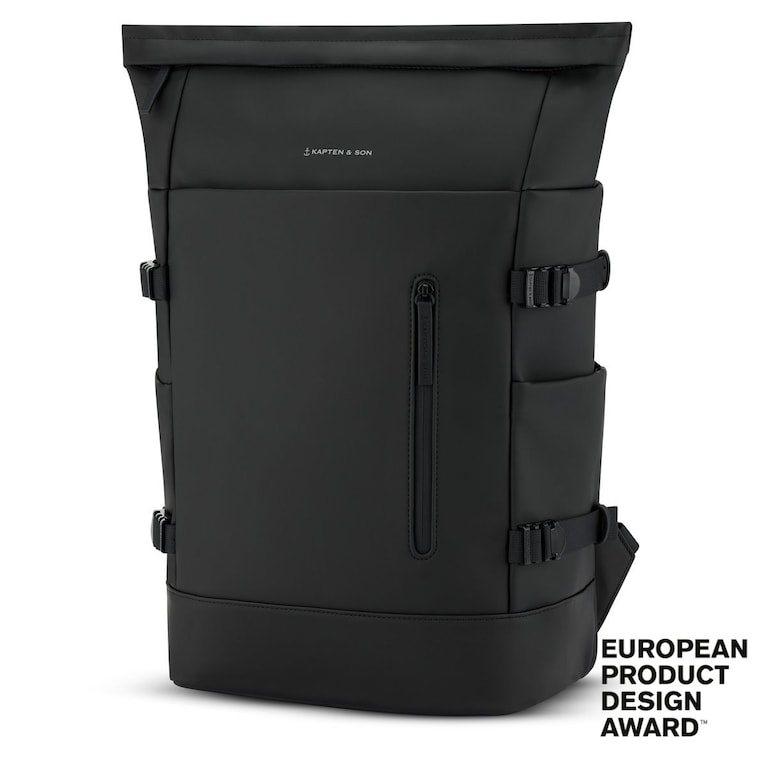
A Kapten & Son hiking backpack reliably accompanies you on your first outdoor experience and impresses with a stylish look. Durable.  Versatile. Suitable for outdoor and office use. Discover now!
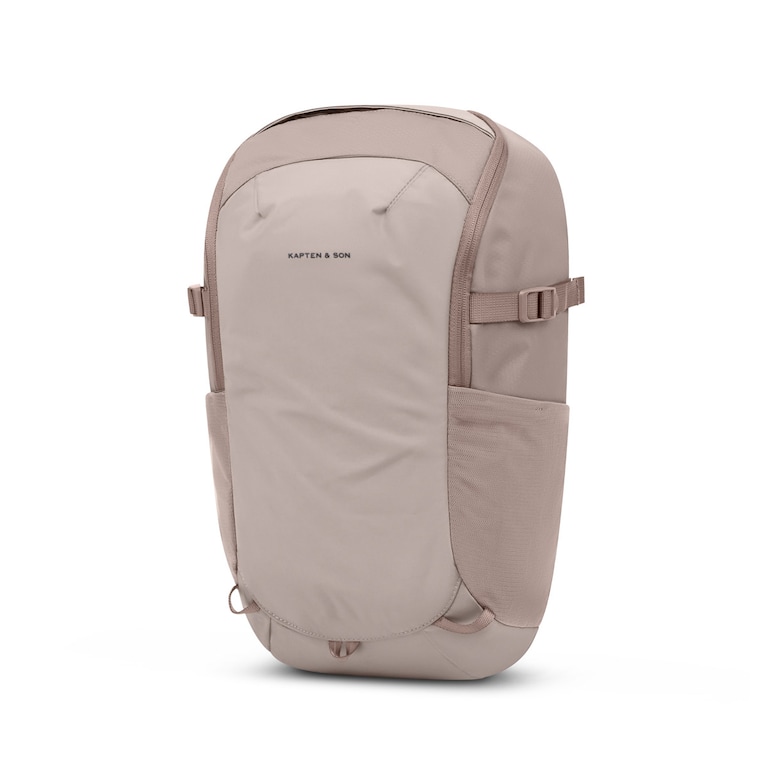
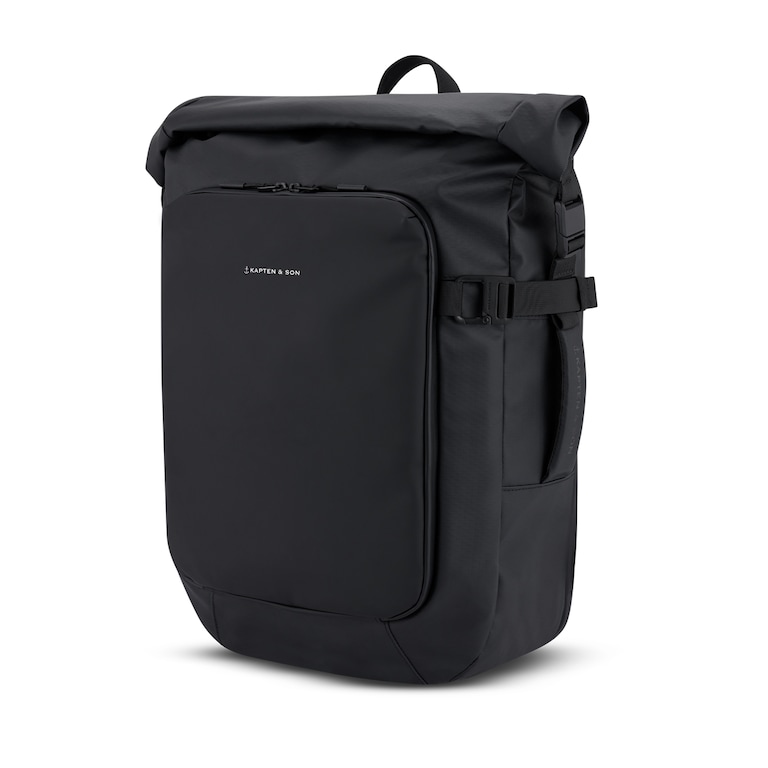
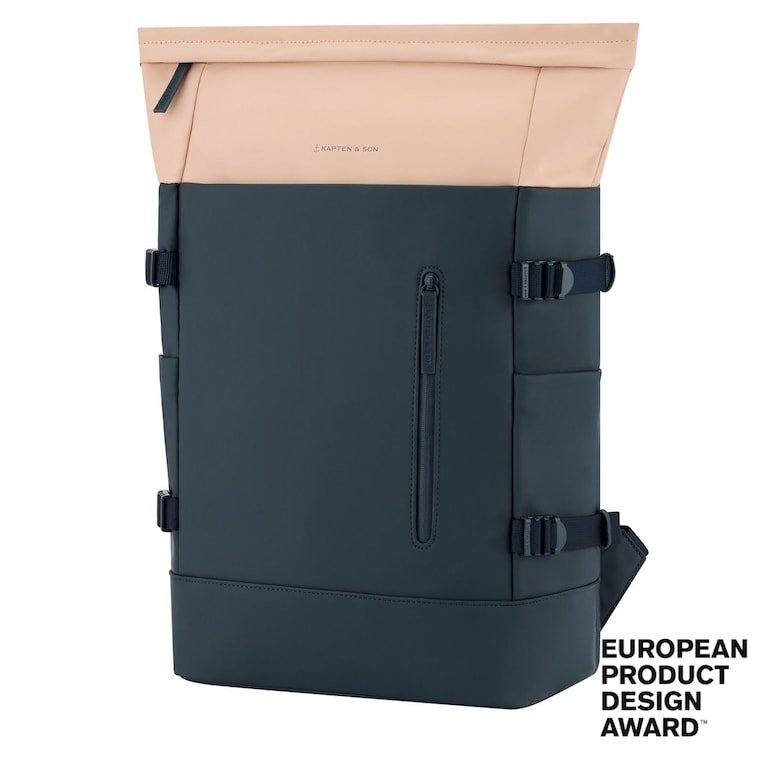
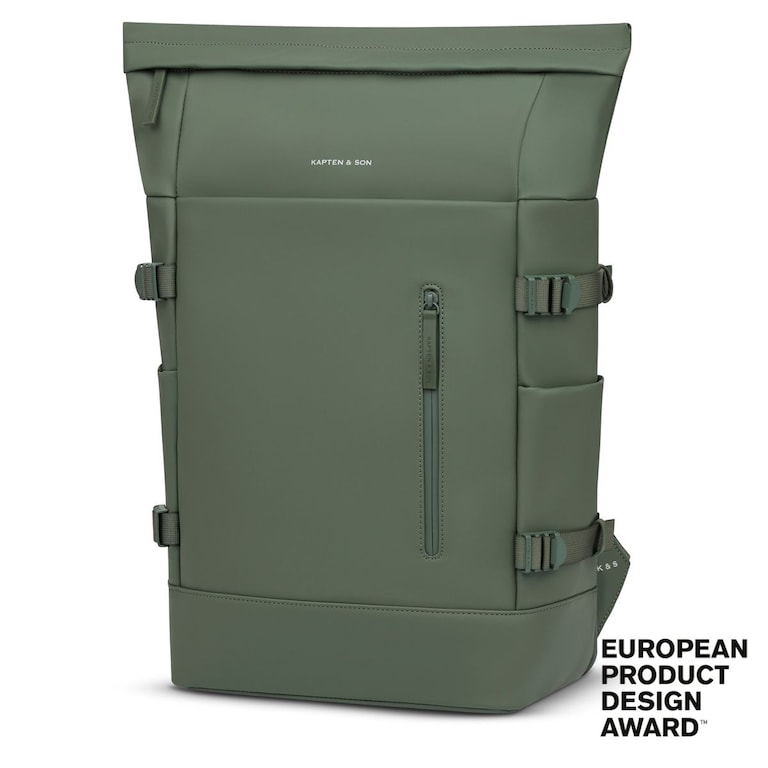
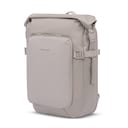
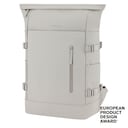
Åre Daypack Lite Muted Rose
£99.90
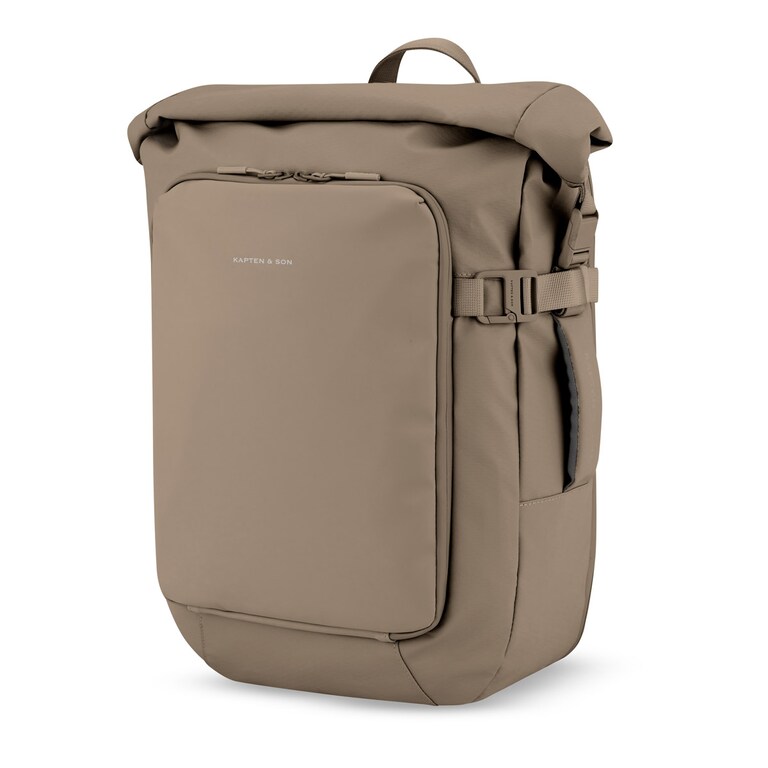
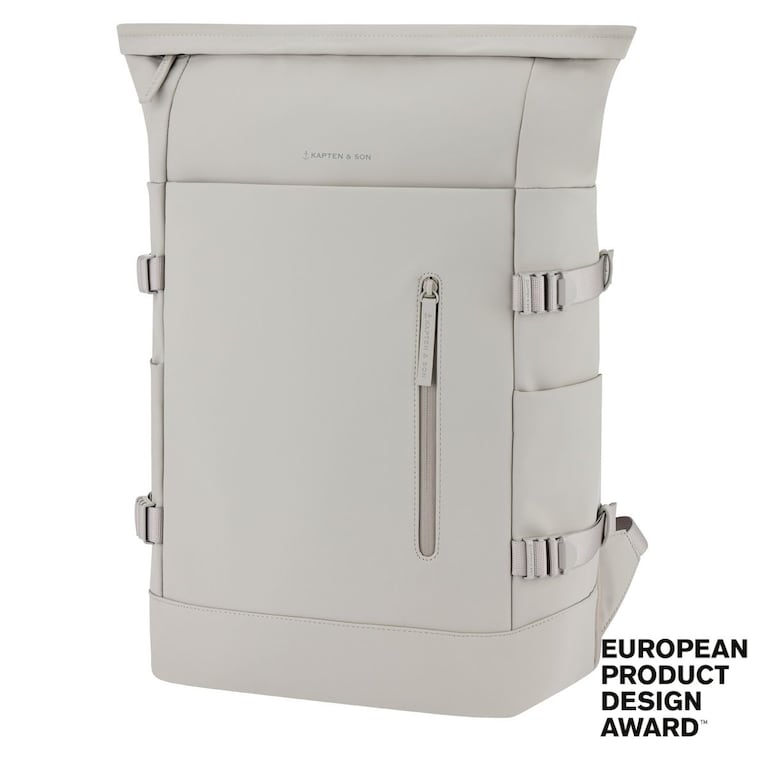
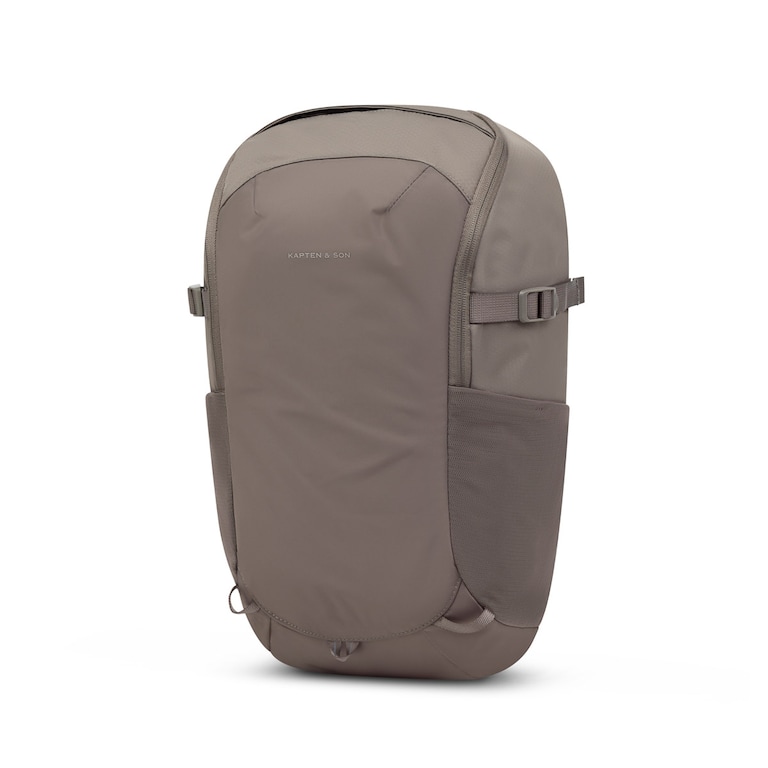
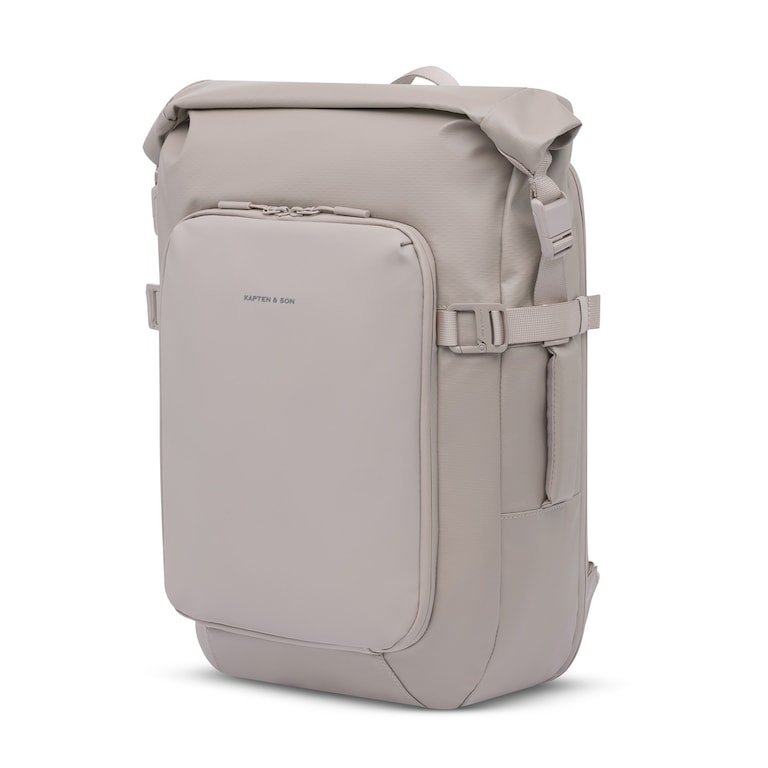
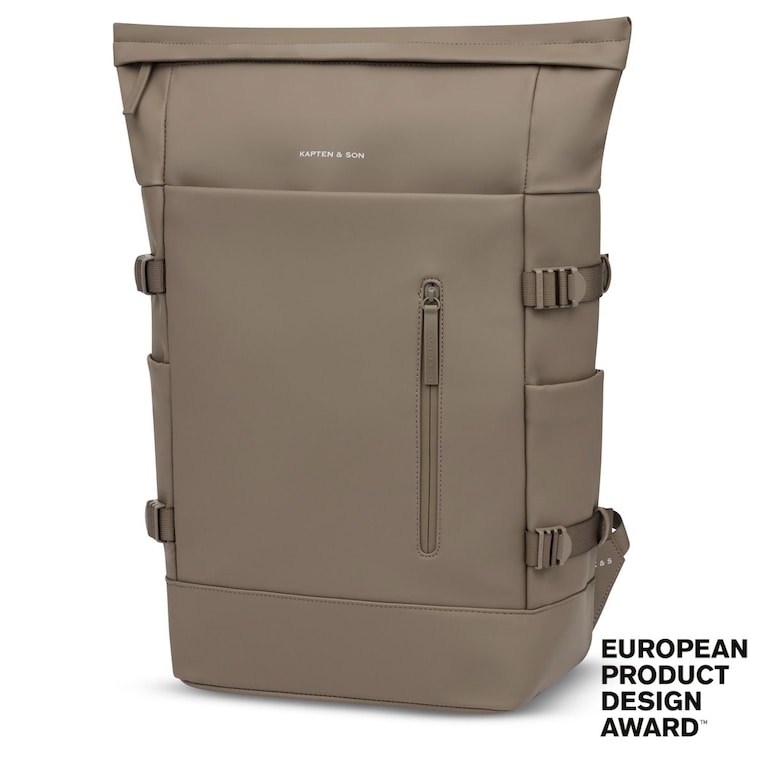
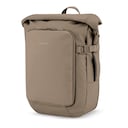
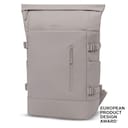
Åre Daypack Lite Taupe
£99.90
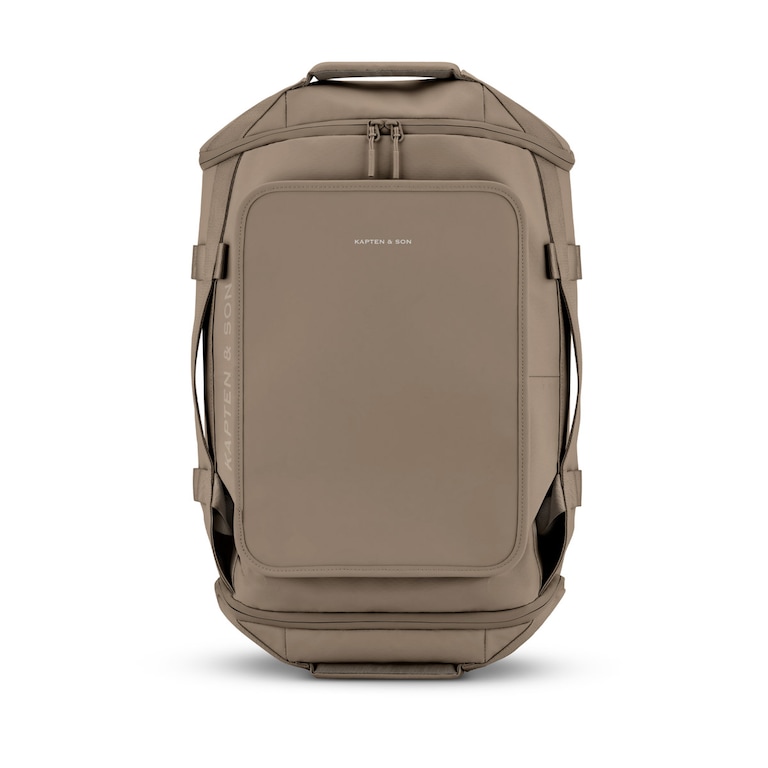
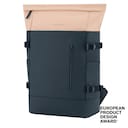
Lisbon Duffle Backpack Small Walnut
£169.90
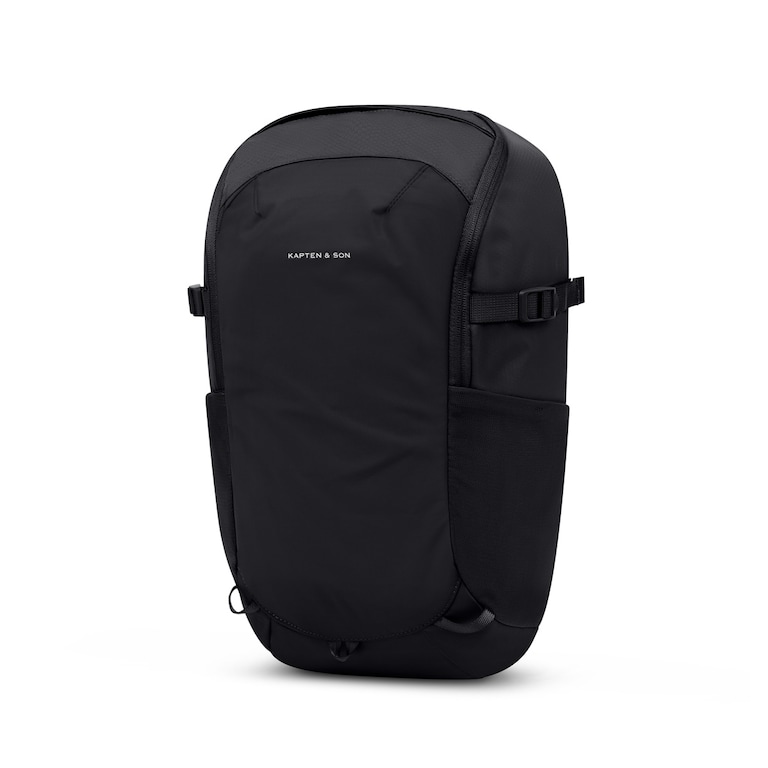
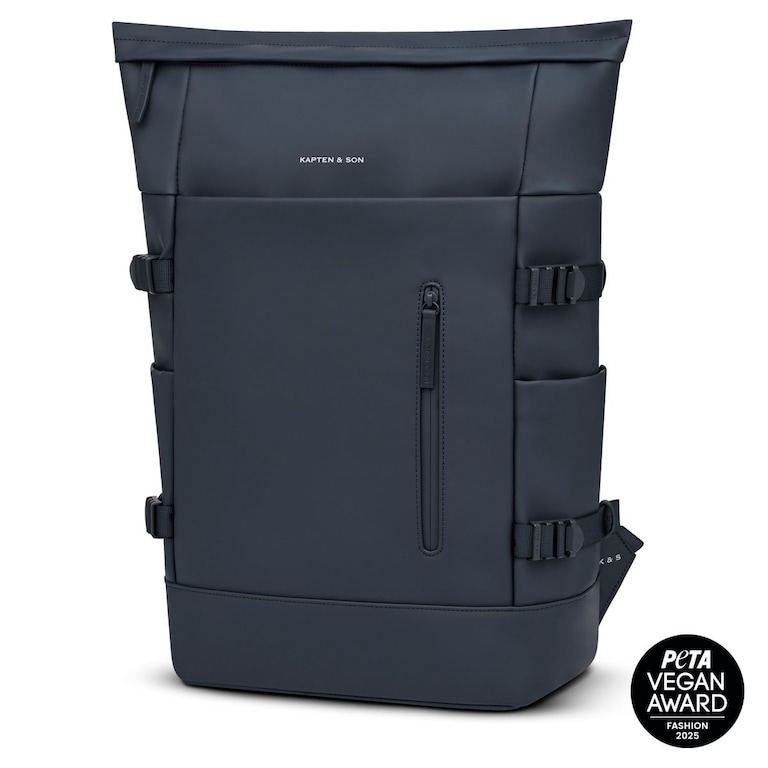
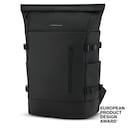
Åre Daypack Lite All Black
£99.90
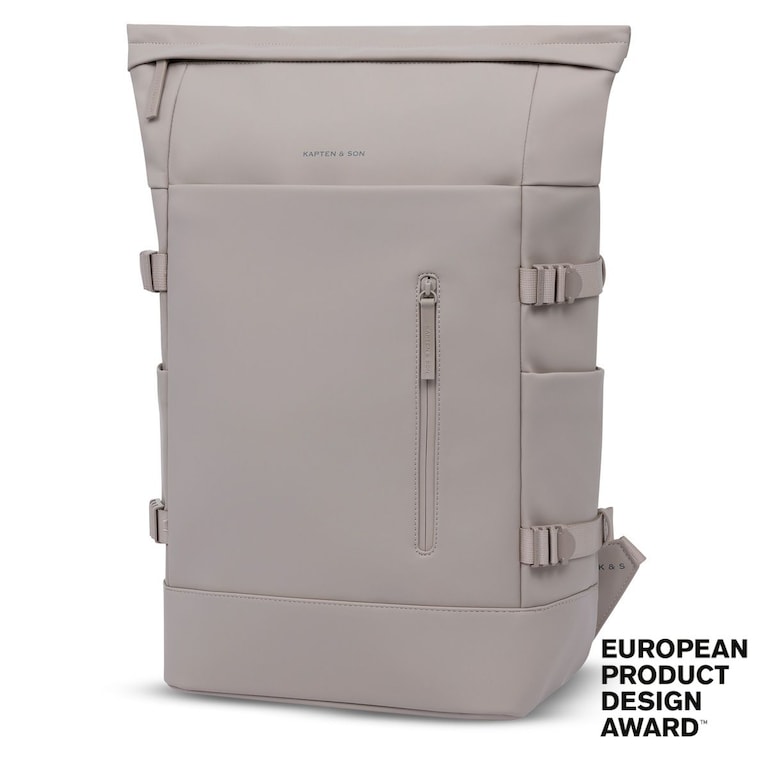
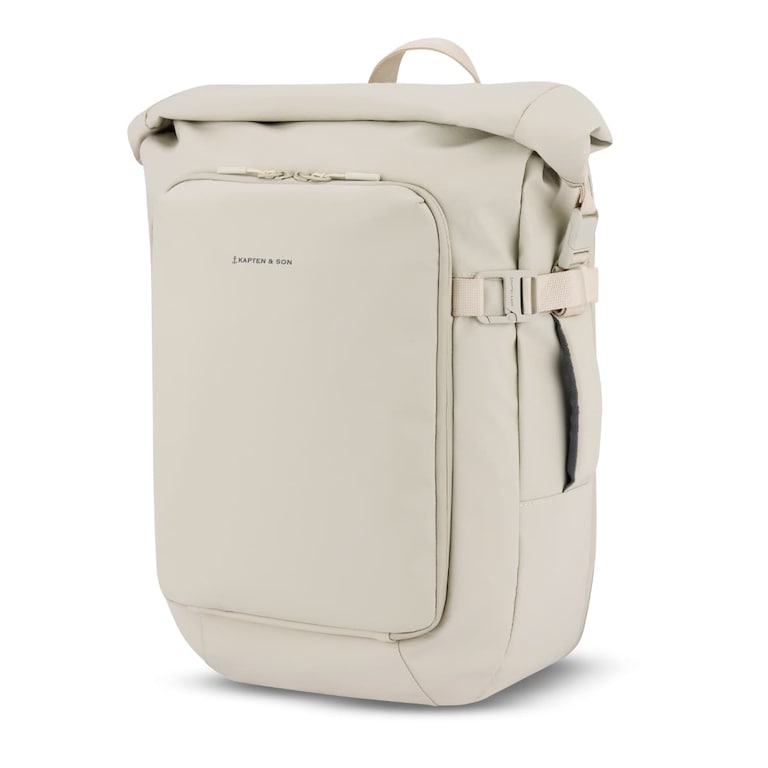
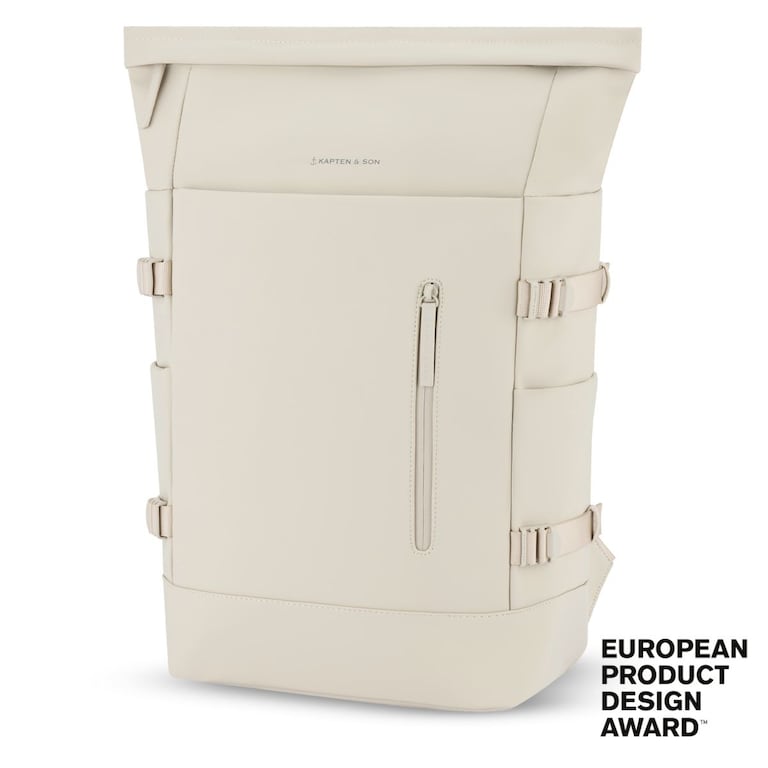
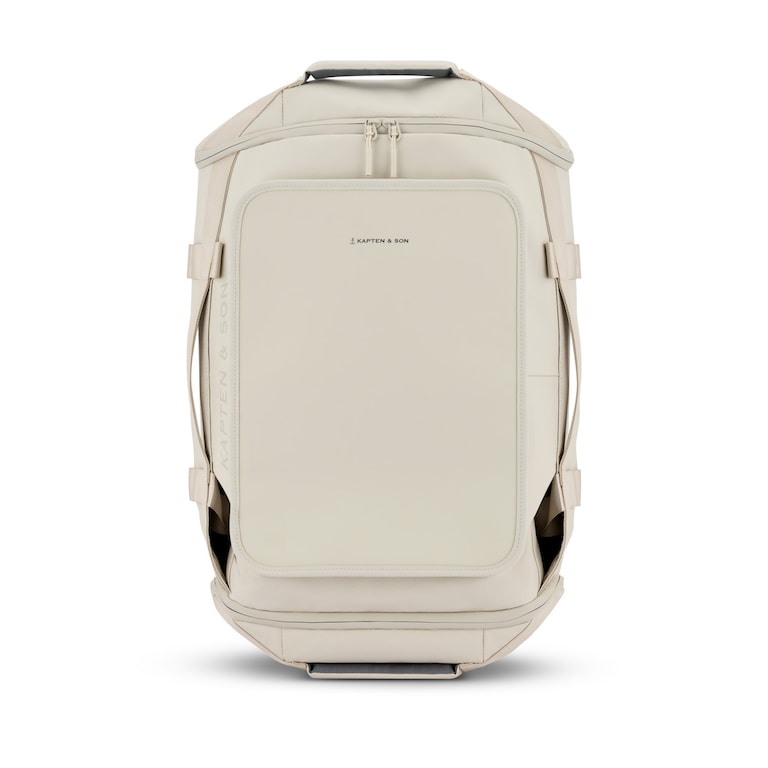
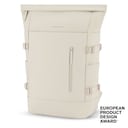
Lisbon Duffle Backpack Small Sandstone
£169.90
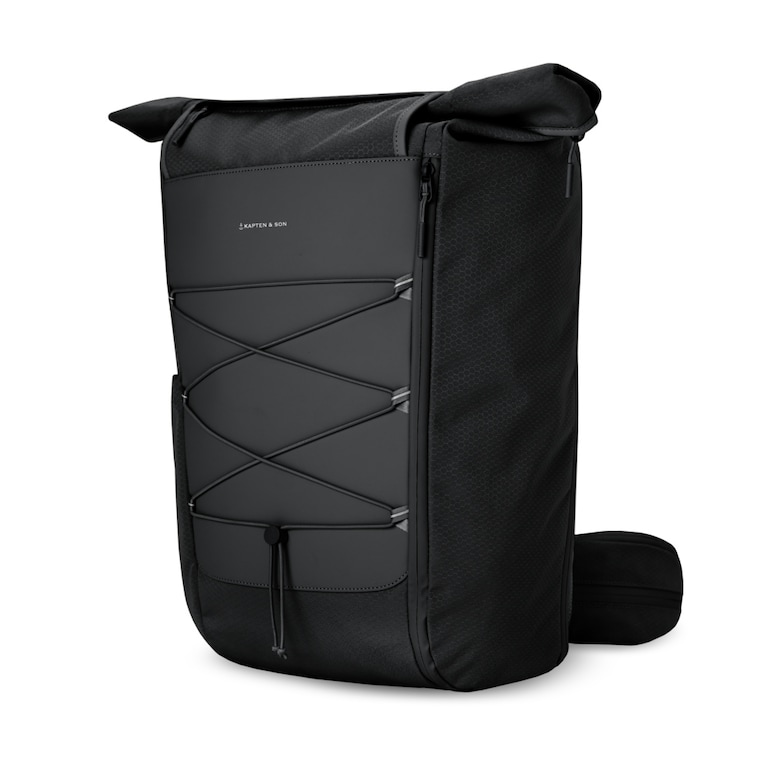
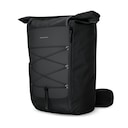
Banff All Black
£159.90
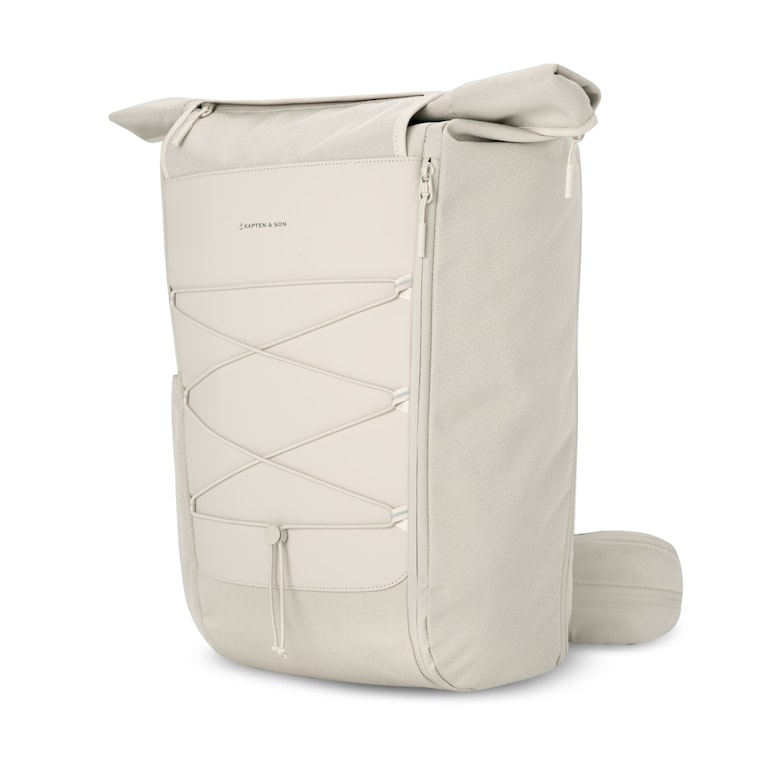
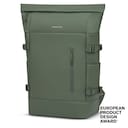
Banff Sandstone
£159.90
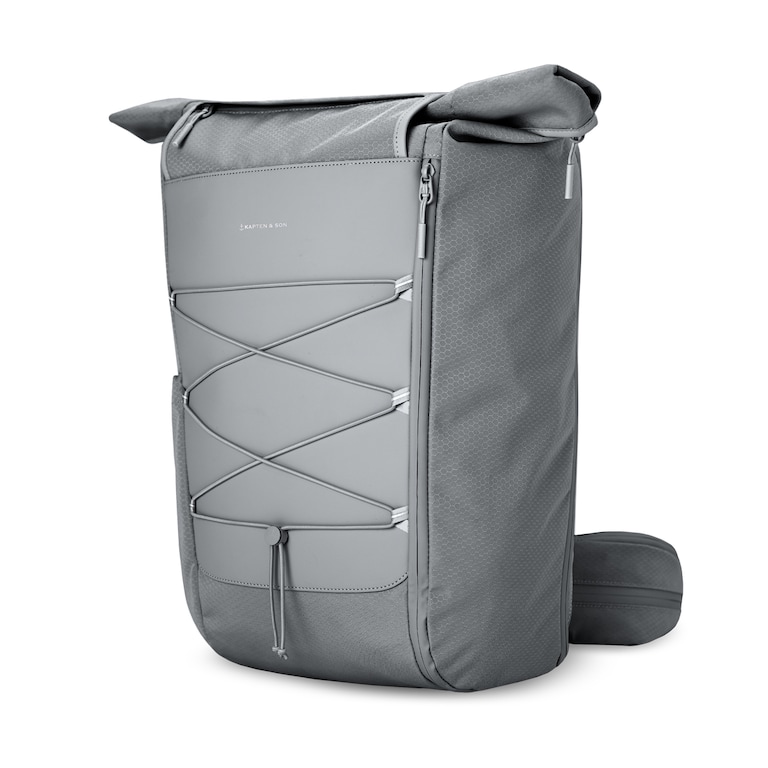
Banff Stone Grey
£159.90
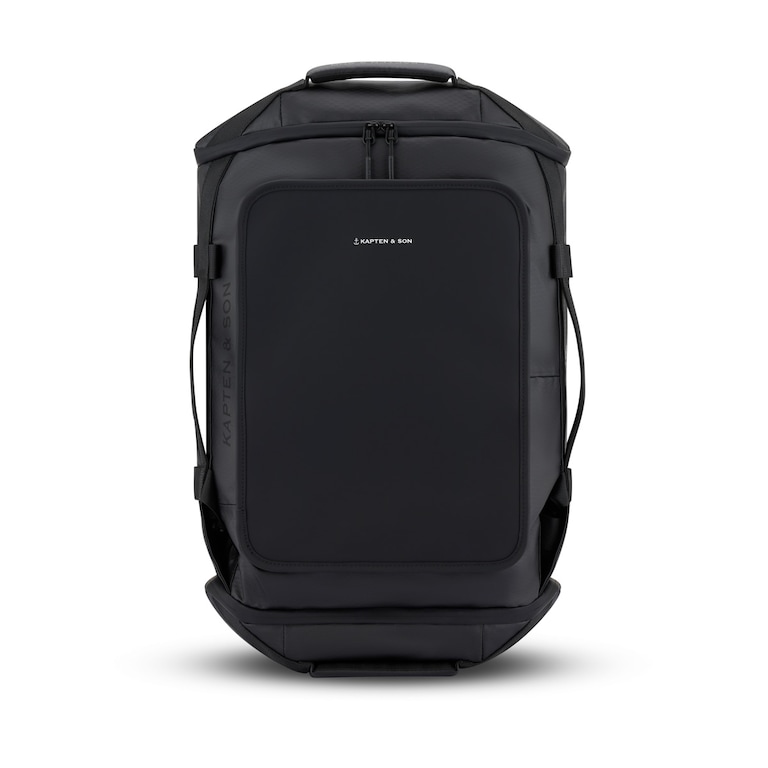
Lisbon Duffle Backpack Small All Black
£169.90
A hiking backpack reliably accompanies you on your tours – whether a day trip or a multi-day adventure. When buying, pay attention to ergonomic carrying systems, breathable and durable materials, and clever compartment organisation.If you’re hiking for the first time, we recommend a backpack that you can also use well outside your outdoor trips. For example, for shopping, sports, university, or work. Otherwise, your beautiful new backpack will just gather dust in the cupboard for the rest of the year.
Kapten & Son backpacks impress with practical functions and a stylish look. Therefore, our products are versatile. We are not an outdoor brand but create products with high demands on design and flexibility so they can support you perfectly both on your adventures and in everyday experiences.
Backpacks like the Kapten & Son Banff are great for your hike but can also be excellent companions during a city trip, suitable as hand luggage or for the gym after work.
… convinces with a lightweight design, adjustable shoulder and hip straps, and a well-ventilated back system. Waterproof materials and practical extras such as a separate compartment for a water bottle or an integrated rain cover ensure maximum comfort.
The Kapten & Son Banff All Black combines stylish, minimalist design with thoughtful functionality – so you’re well equipped on every tour.Thanks to the water-repellent ripstop material and a rain cover, your essentials inside are safe from the weather. Perfect for hikes or the commute to work in autumn weather.
With a capacity of up to 35 litres, a separate shoe compartment, and an external pocket for a water bottle, the backpack is a real space miracle that can hold all your hiking equipment.The hip belt can be removed if needed and used as a sling bag.
Hiking backpacks are designed for day hikes and short tours – light, compact, and flexible. Trekking backpacks offer more volume and additional features for longer trips with lots of luggage.
For day trips, we recommend a volume of 20 to 30 litres. This gives you enough space for snacks, water, clothing, and your essentials. Good backpacks for day trips include the Kapten & Son Yoho or the Kapten & Son Banff.
Hiking through nature is great fun and also good exercise. And as you surely know, you quickly start to sweat during exercise. So make sure you have a well-filled water bottle and snacks for an energy boost. Weatherproof clothing, a first aid kit, sunscreen, and sunglasses should of course not be missing either.
The weight of a hiking backpack varies depending on the model, capacity, and purpose. Small daypacks can weigh 0.5 kilograms, larger trekking backpacks can easily weigh 2 kilograms. More important than the backpack’s own weight is the total weight of your luggage. Your packed backpack should not weigh more than 10 - 20 percent of your body weight. For a body weight of 70 kilograms, the backpack should therefore weigh a maximum of 7 to 14 kilograms.

The particularly appealing aesthetics of our backpacks allow you to get a taste of hiking, create unforgettable memories, and take great photos. Moreover, after your outdoor experience, you can wonderfully use the hiking backpack in your everyday life: whether for shopping, university, work, or sports. Practical features such as durable material, padded straps, a hip belt, or the rain cover provide you with optimal support for every activity. Shop your must-have piece for outdoor adventures now.
:format(webp))
:format(webp))
:format(webp))
:format(webp))
:format(webp))
:format(webp))
:format(webp))
:format(webp))
:format(webp))
:format(webp))
:format(webp))
:format(webp))