Travel Guide
Hand Luggage: Everything You Need to Know in 2026
:quality(85))
:quality(85))
Contents
Travelling with Hand Luggage in 2026: What's Changing?
Update 23 April 2026: Lufthansa is introducing a new entry-level fare on short- and medium-haul routes that only includes one small personal item (e.g. a laptop bag or rucksack, max. 40×30×15 cm) – a cabin bag is no longer included. Passengers wishing to bring a cabin bag or checked luggage may add this as an optional extra from €15. Source: Lufthansa Group
Update 8 April 2026: Lufthansa has banned the use of power banks during flights — they may neither be used to charge devices nor be charged themselves. A maximum of two power banks are permitted in hand luggage. They must be stored within easy reach — not in the overhead locker. Above 100 Wh, airline authorisation is required; power banks are generally prohibited in checked luggage. The stricter rules apply to all airlines within the Lufthansa Group. The background to this is fires caused by overheated batteries. Source: Lufthansa
Update 1 April 2026: Until now, small backpacks measuring 40 x 30 x 20 cm were considered free allowance luggage at most airlines. So-called carry-on backpacks were always free of charge. Larger hand luggage measuring 55 x 35 x 20 cm, however, had to be booked for an additional fee. This could soon change: consumer protection organisations are taking action against several airlines on the grounds that hand luggage regulations violate EU rules. Airlines would therefore have to grant passengers more free luggage allowance. You may soon be able to take more hand luggage free of charge — though it is equally conceivable that airlines could raise ticket prices in return. Source: BBC
Update 28 July 2025: The EU is planning to gradually relax the 100 ml liquid rule for hand luggage by introducing new CT security scanners. These scanners can detect hazardous substances whilst allowing larger quantities of liquid. The exact timing of when the rule will be lifted depends on the rollout of the new technology at airports. In Germany and some other countries, a relatively swift implementation is expected, although the 100 ml restriction is still in place for now. Source: London City Airport
:quality(85))
Hand Luggage: Dimensions & Weight
The permitted dimensions and weight for hand luggage vary by airline. Most airlines allow one small free piece of hand luggage, also referred to as a carry-on. This can be, for example, a small backpack or a laptop bag. It is important that your small hand luggage fits under the seat in front of you. At EasyJet, for instance, your carry-on may be no larger than 45 x 36 x 20 cm; Ryanair, on the other hand, stipulates dimensions of 40 x 20 x 25 cm.
Larger hand luggage can only be taken on board for an additional charge. Dimensions vary here too. A good rule of thumb is the 55-35-20 rule, whereby your hand luggage should measure no more than 55 x 35 x 20 cm.
We recommend checking the current terms and conditions of your airline before every trip and measuring your luggage once more. Budget airlines in particular have become stricter over the years and carry out very precise checks. In the worst case, you could face hefty fees for excess luggage.
:quality(85))
What Can Go in Your Hand Luggage?
As a general rule, everything you need for your flight and the first few hours after arrival should fit in your hand luggage. This includes important documents such as your passport, national identity card, and boarding pass, as well as electronic devices (mobile phone, tablet, laptop, e-reader, headphones, or camera). Before departure, you will be specifically reminded to activate flight mode. Power banks and e-cigarettes may only be transported in hand luggage and must not be used during the flight, as they can cause fires.
If you are travelling with hand luggage only, you are of course also permitted to bring a change of clothes, medicines, and toiletries (observe the liquids rule), a small umbrella, and souvenirs. Do bear in mind the applicable travel duty-free allowances.
Backpack with Liquid Pouch


Liquids
At most airports, the 100 ml restriction currently still applies. In your hand luggage, you may only carry liquids in containers with a maximum capacity of 100 ml, packed in a clear, resealable 1-litre bag. Such clear bags, as well as toiletries such as sun cream or deodorant in travel sizes, can be purchased at a chemist or transferred into 100 ml containers.
Please note that the 100 ml rule applies not only to liquids, but also to creams and pastes. Toothpaste or cream cheese, for example, also fall under this rule.
Exceptions apply to baby food and medicines. In the case of the latter, you must be able to present a prescription or a medical certificate.
All other liquids must go in your checked luggage or be disposed of before the security checks.
You may carry liquids purchased at duty-free shops in sealed security bags with proof of purchase. Alternatively, we recommend purchasing a reusable stainless steel bottle — one that you can refill throughout your travels.


What Is Not Allowed in Hand Luggage?
As a general rule, weapons and ammunition of any kind, as well as replica weapons such as toy guns, are prohibited in hand luggage. Other sharp or pointed objects that could cause injury are also not permitted. These include, for example, razor blades and craft knives, as well as knives and scissors with a blade length of more than 6 cm. Explosive or easily flammable materials and hazardous chemicals are also forbidden. Sports equipment such as baseball bats or golf clubs may not be taken in hand luggage either.
Hand Luggage Rules for Popular Airlines
For a clearer overview, we have summarised the hand luggage rules of the most popular airlines:
Emirates
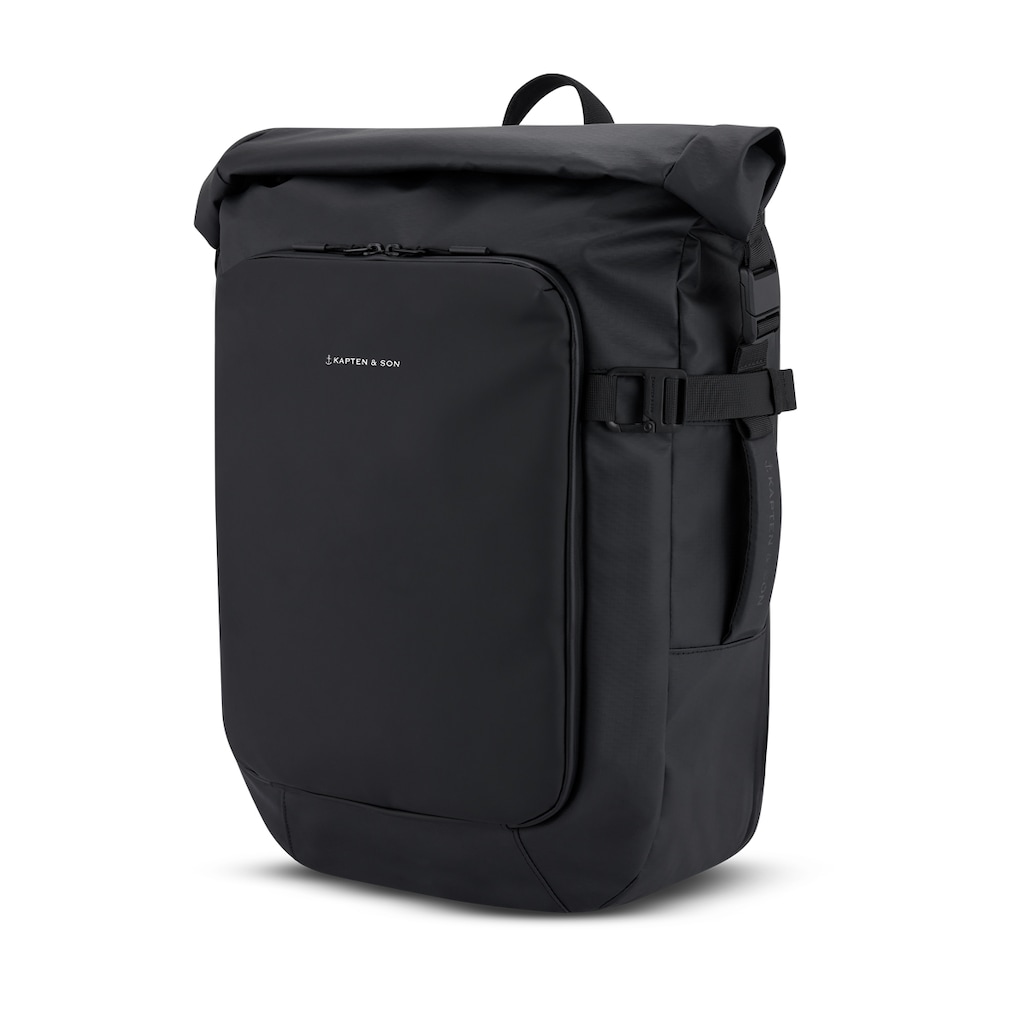
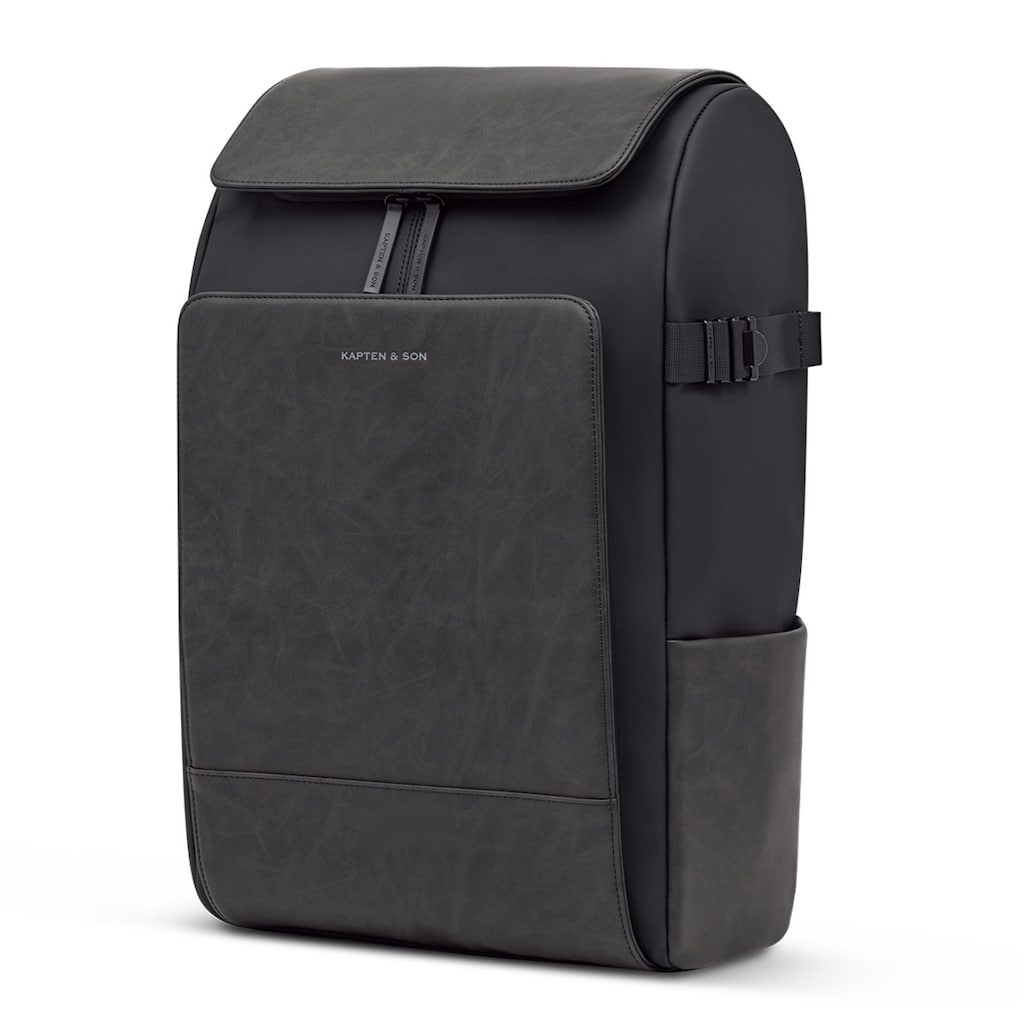
With Emirates, hand luggage allowances vary by cabin class: Economy Class passengers may bring one piece of hand luggage weighing up to 7 kg with maximum dimensions of 55 x 38 x 22 cm, whilst Premium Economy passengers are entitled to a slightly more generous allowance of 10 kg at the same dimensions. Business and First Class travellers may take one piece of hand luggage (up to 7 kg, max. 55 x 38 x 22 cm) plus an additional briefcase or garment bag of up to 7 kg — the briefcase must not exceed 45 x 35 x 20 cm, and the garment bag must not exceed 20 cm when folded. Please note that hand luggage allowances may vary depending on the route, so we recommend checking your specific allowance before you travel. All hand luggage must be stowed either in the overhead locker or under the seat in front of you, and may not be placed in the aisles or in front of emergency exits.
For Emirates (55 x 38 x 22 cm)*




Ryanair
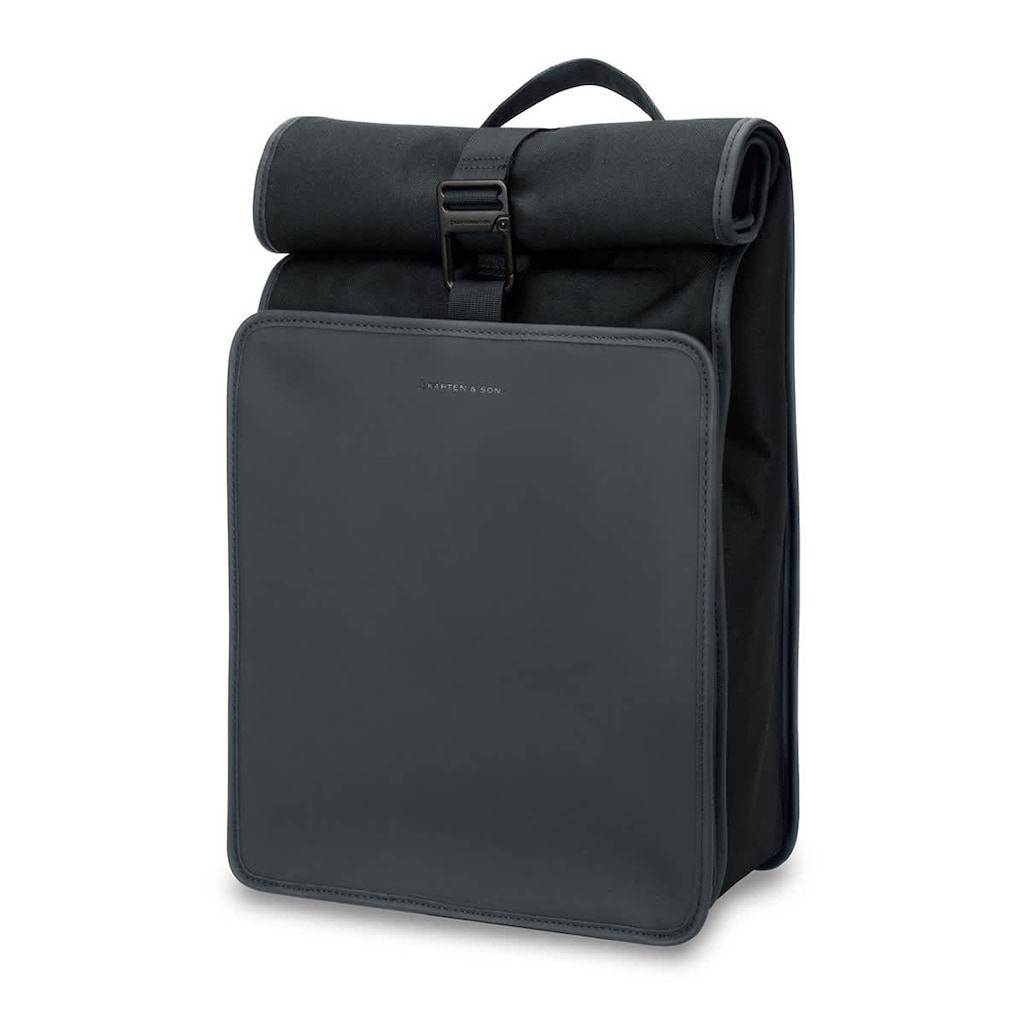
Ryanair allows one small piece of hand luggage measuring 40 x 20 x 25 cm to be carried free of charge. In addition, you can take a larger piece of hand luggage (max. 55 x 40 x 20 cm) for an additional fee. It is important to observe the baggage regulations precisely, as exceeding the dimensions or weight can result in hefty charges. In 2025, Ryanair announced stricter checks and introduced financial incentives for its staff: for every piece of excess luggage discovered, employees now receive a bonus of £2.50 instead of £1.50.
For Ryanair (55 x 40 x 20 cm)*
Jet2
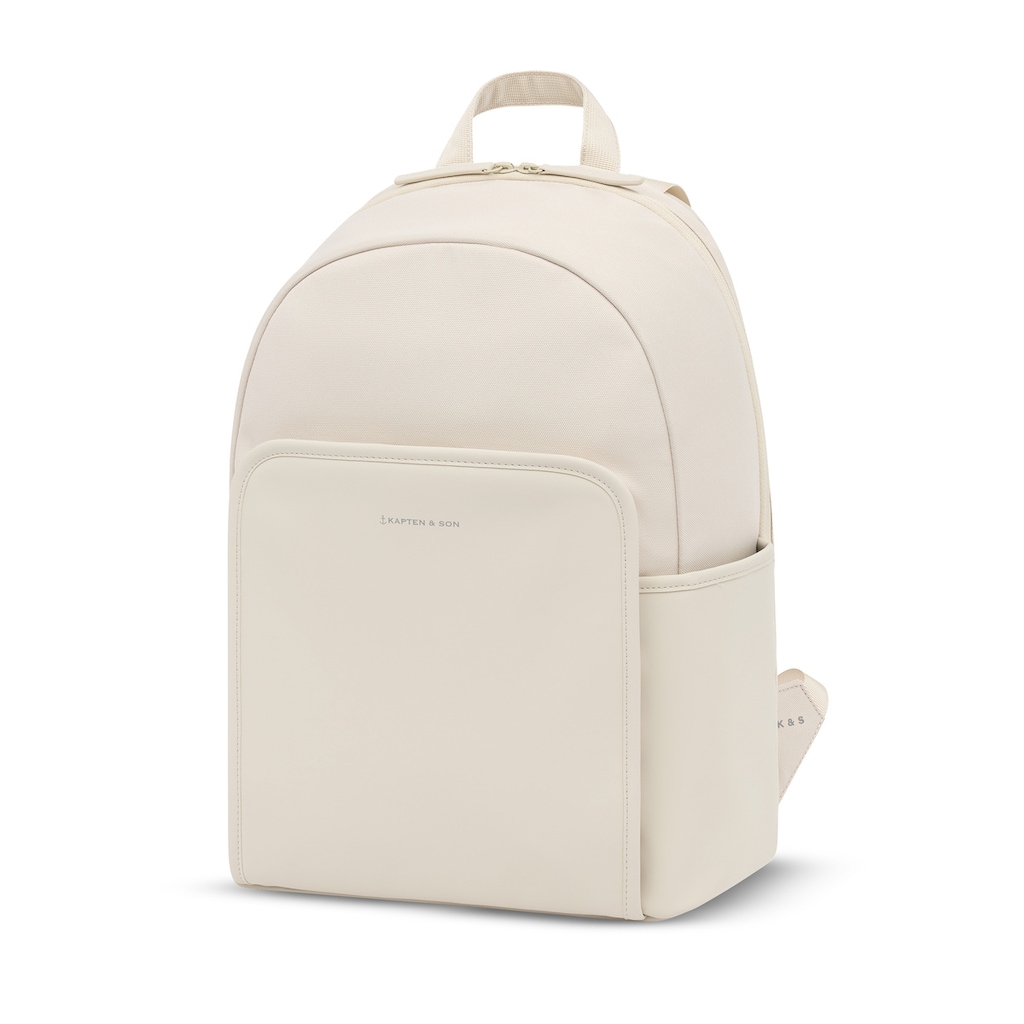
With Jet2, every passenger (excluding infants) is entitled to one free piece of hand luggage weighing up to 10 kg, with maximum dimensions of 56 x 45 x 25 cm — including wheels and handles. In addition, you may bring one small under-seat bag, such as a handbag or laptop bag, free of charge, as long as it does not exceed 40 x 30 x 20 cm and fits under the seat in front of you. If you need more space, you can add up to three 22 kg hold bags per person per flight for an additional fee. On busy flights, Jet2 may ask you to place your 10 kg hand luggage in the hold — to guarantee it stays in the cabin, you can add the "Guaranteed Cabin Luggage" option when managing your booking.
For Jet2 (40 x 30 x 20 cm)*


KLM Royal Dutch Airlines
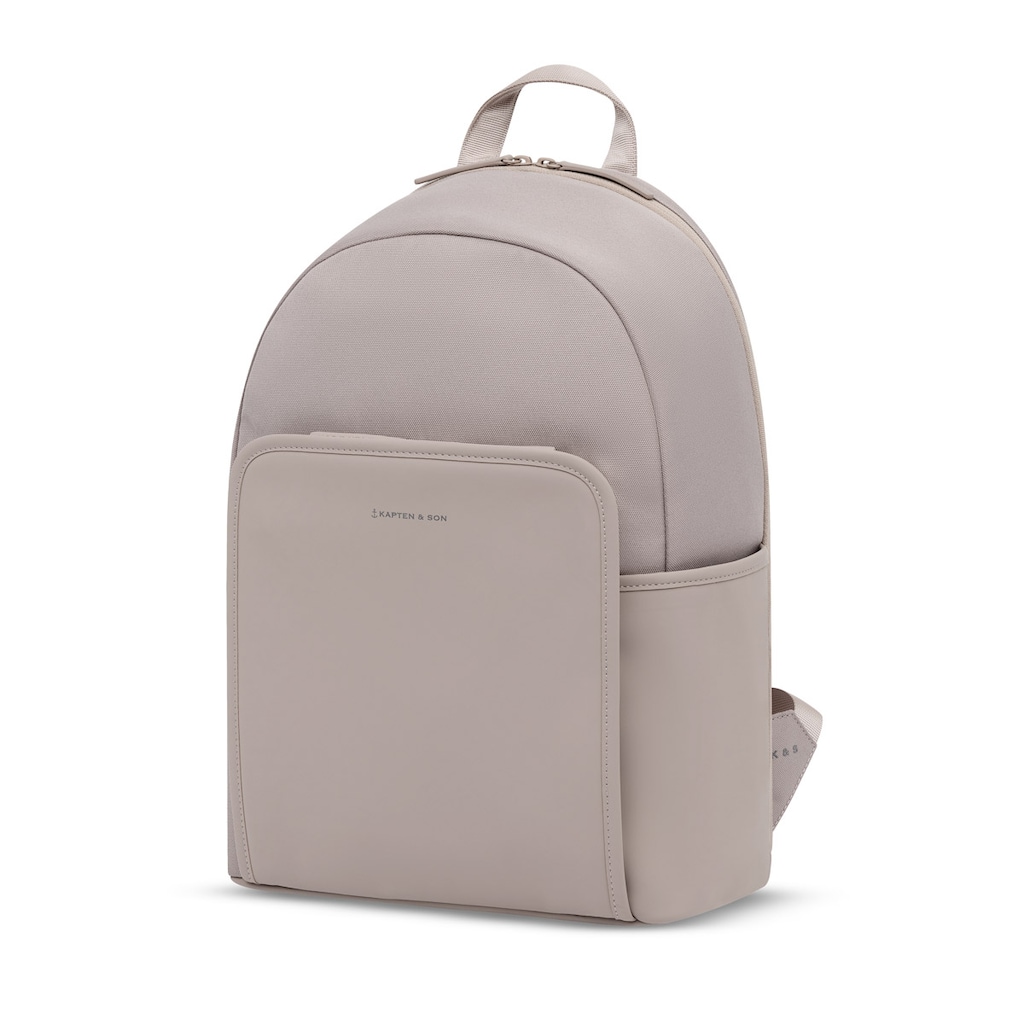
With KLM, every passenger travelling on a Light, Standard or Flex ticket in Economy Class is entitled to one piece of hand luggage with maximum dimensions of 55 x 35 x 25 cm — including handles and wheels — plus one small under-seat bag of up to 40 x 30 x 15 cm; the combined weight of both items must not exceed 12 kg. Passengers travelling on a Basic ticket may only bring the small under-seat bag free of charge — hand luggage can be added for an additional fee up to four hours before departure. In Premium Comfort Class, two pieces of hand luggage are permitted alongside the small bag (combined maximum of 12 kg), whilst Business Class passengers may also take two pieces of hand luggage with a generous combined allowance of up to 18 kg. Please note that on fully booked flights, KLM may ask you to check in your hand luggage at the gate free of charge — your small bag, however, can always be taken on board.
For KLM Royal Dutch Airlines (55 x 35 x 25 cm)*

EasyJet
EasyJet allows one free piece of hand luggage with maximum dimensions of 45 x 36 x 20 cm, which may weigh up to 15 kilograms. A larger piece of hand luggage (56 x 45 x 25 cm) must be booked additionally.
British Airways
In the "Economy Basic" fare, British Airways allows a small piece of hand luggage measuring 40 x 30 x 15 cm and a cabin bag with maximum dimensions of 56 x 45 x 25 cm.
For British Airways (56 x 45 x 25 cm)*


Wizz Air
In the basic version, Wizz Air allows one small piece of hand luggage with maximum dimensions of 40 x 30 x 20 cm. For an additional charge, you can book WIZZ Priority and take a larger piece of hand luggage (55 x 40 x 23 cm).
TUI Fly
TUI Fly allows one free piece of hand luggage measuring up to 40 x 30 x 20 cm. For a fee, you can add a larger piece of hand luggage (55 x 40 x 20 cm). If the larger hand luggage is only declared at the airport, higher fees apply than when booked online. A charge of £50 applies for luggage registered too late. It is therefore worth considering at the time of booking whether you will need more luggage.
For TUI Fly (55 x 40 x 20 cm)*
What Can Children Take in Their Hand Luggage?
For flights with infants and young children, regulations vary depending on the airline. As a general rule, children under two years of age must sit on the lap of an accompanying adult during the flight. Children of this age usually travel free of charge, although some airlines charge a fee of approximately £25 to £30. In addition to your regular luggage, you may carry a small additional bag or backpack for your baby. The following items of luggage are also permitted:
Pram
Pushchair
Car seat
Booster seat
Travel cot
Changing Backpack for Hand Luggage
:quality(85))
Hand Luggage Backpack
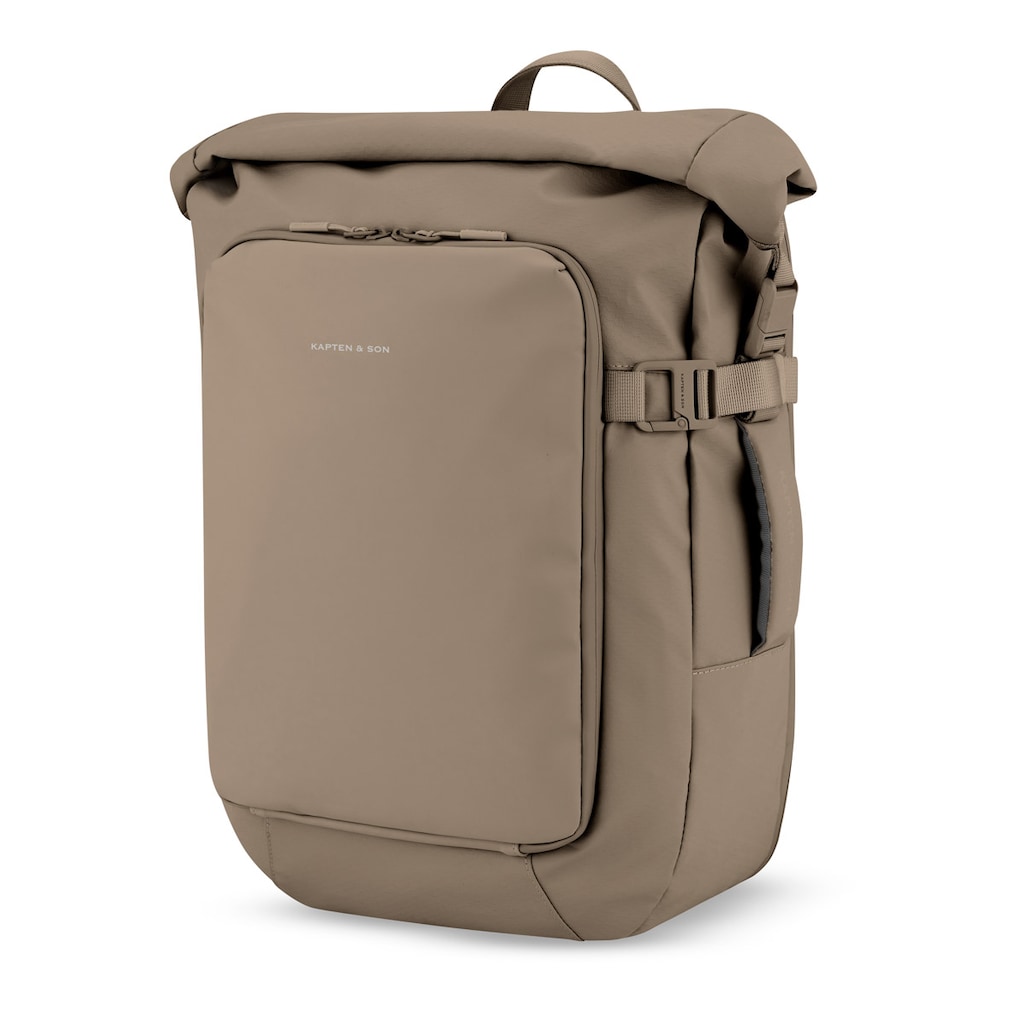
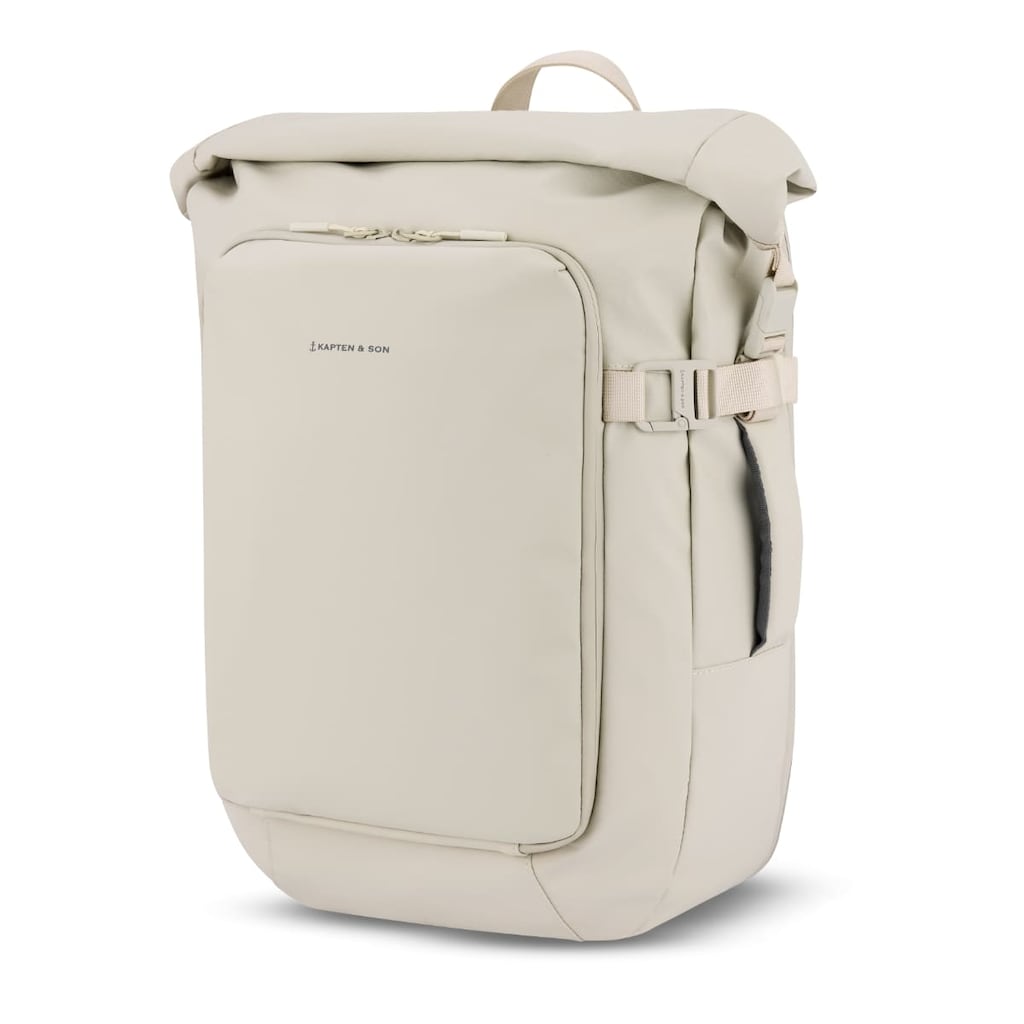
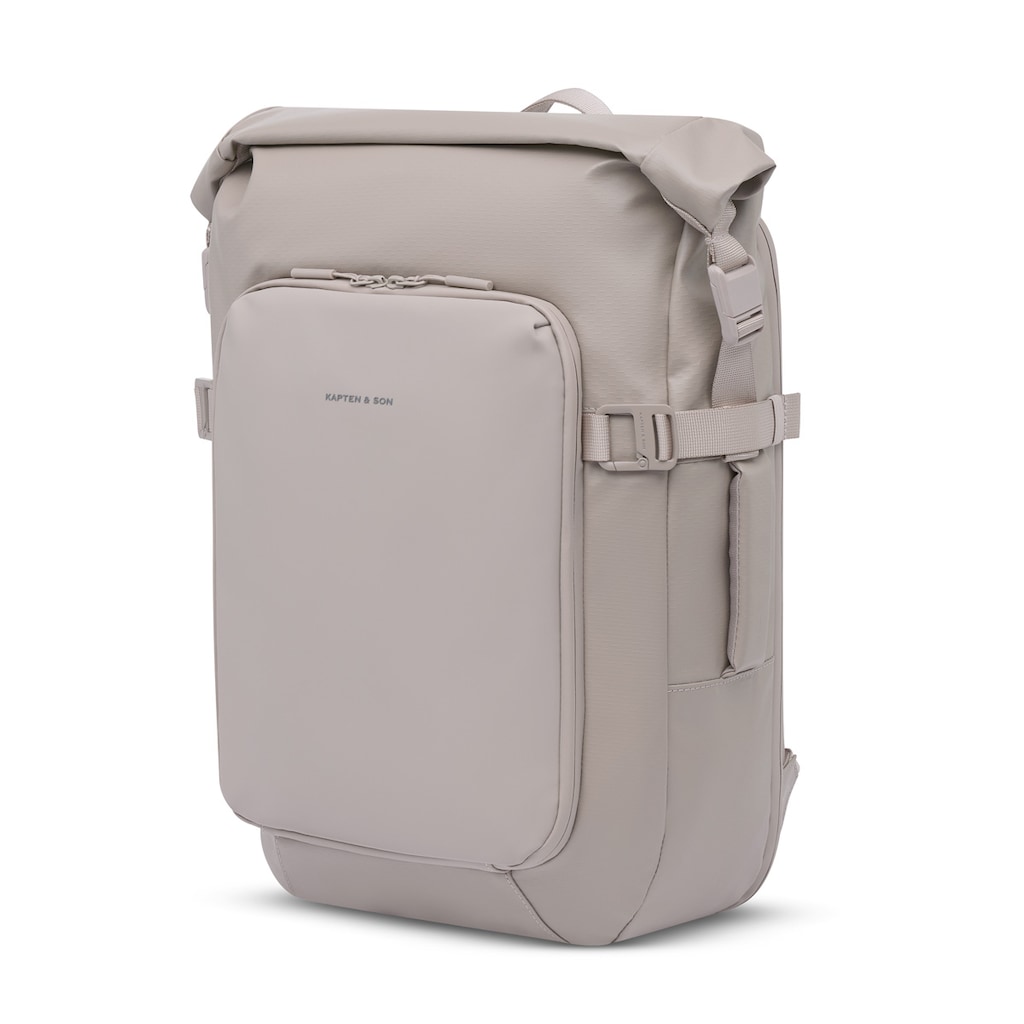
A hand luggage backpack is a practical companion during your flight, as you can carry it comfortably and continue to use it on city trips at your destination. You have the choice of travelling with just a small 40 x 30 x 20 cm backpack or going straight for a spacious 55 x 40 x 20 cm hand luggage backpack.
Kapten & Son backpacks combine contemporary design with well-considered functionality. Their minimalist look makes them a stylish companion for every occasion — whether in everyday life or whilst travelling. Practical details such as an integrated anti-theft feature and a padded laptop compartment provide genuine added value.
We recommend the combination of a small backpack and a hand luggage suitcase. Thanks to the integrated luggage strap, both can be transported comfortably — allowing you to make the most of your free luggage allowance whilst travelling in style.
:quality(85))
Hand Luggage Suitcase
The advantage of hand luggage suitcases is their greater storage capacity. Suitcases such as the Kapten & Son Heathrow Essential offer 34 litres of capacity — enough room for all your travel essentials. With dimensions of 55 x 35 x 20 cm, the collection meets the requirements of most airlines. Thanks to sturdy and replaceable 360° spinner wheels, you can move effortlessly through the airport. Find out more about what to bear in mind when using a suitcase as hand luggage.
Checked Luggage
Unlike hand luggage, checked luggage is not taken into the cabin but transported in the hold of the aircraft. It must be booked for an additional fee. Checked luggage is useful for longer stays or when travelling with several people.
Since suitcases are checked in at the desk beforehand, you should allow extra time and arrive at the airport earlier. The same applies upon arrival at your destination: there may also be a wait at the baggage carousel — it is best to allow more time and plan your connecting journeys accordingly.
There is no uniform size regulation for checked luggage either. Ryanair permits, for a fee, the check-in of a suitcase of up to 80 x 120 x 120 cm with a maximum weight of 20 kilograms.
Conclusion
Your next trip starts with the right preparation. Whilst the hand luggage rules for 2026 have become stricter, those who inform themselves in advance travel with peace of mind. Check the current terms and conditions of your airline and pack mindfully: a functional, aesthetically pleasing hand luggage backpack or suitcase ensures an unforgettable experience — before and after landing!
FAQ
*The product range is not authorised, officially licensed, or sponsored by the airline. Kapten & Son regularly reviews the hand luggage regulations of common airlines but cannot guarantee that the information is always up to date. Please check the hand luggage regulations of your airline before every flight.